Skip to content

You’ve probably heard the word “detox” thrown around a lot. Juice cleanses, supplements, infrared saunas… there’s no shortage of products promising to flush your system. But your body already has a built-in cleansing network working around the clock. It’s called the lymphatic system, and most people don’t give it a second thought until something goes wrong.
Manual Lymph Drainage (MLD) is a specialized massage technique designed to support that system. Think of it as a tune-up for one of your body’s most important and most overlooked functions.
What the Lymphatic System Actually Does
The lymphatic system is a network of vessels, nodes, and organs that runs throughout nearly your entire body. According to the Cleveland Clinic, it has three main jobs: maintaining fluid balance in your tissues, helping absorb fats and nutrients from your digestive tract, and acting as a core part of your immune defense. Your lymph nodes filter out waste, bacteria, damaged cells, and pathogens before they can cause problems, and your lymphocytes (white blood cells) travel through this network to attack invaders.
Here’s the catch: unlike your cardiovascular system, the lymphatic system has no pump. There is no heart driving the flow. It relies entirely on muscle movement, breathing, and physical manipulation to keep things circulating. When you’re sedentary, stressed, or recovering from illness or injury, lymph flow can slow down, which means your body isn’t clearing waste as efficiently as it could be.
That’s where MLD comes in.
What Makes MLD Different
MLD is not a deep-pressure technique. It’s a precise, gentle form of manual therapy that uses slow, rhythmic strokes to stretch the skin in specific directions, encouraging lymph fluid to move through the vessels and toward the lymph nodes where it can be filtered. The pressure is light by design. The lymphatic capillaries sit just beneath the skin, and heavy pressure can actually compress them rather than open them.
The Vodder Method, which is the technique used here at Rockin’ Good Health, is one of the most established and widely recognized approaches to MLD. Dr. Emil Vodder developed it in the 1930s, and it remains the gold standard for trained lymphatic therapists.

The Research Behind It
The clinical research on MLD is most robust in the context of lymphedema, particularly in patients recovering from cancer treatment. A systematic review published in the Journal of Cancer Survivorship found evidence that MLD in the early stages following breast cancer surgery may help prevent the progression to clinical lymphedema, and that it can provide additional benefit in volume reduction for mild lymphedema.
Beyond lymphedema management, research has also examined MLD’s role in sports medicine and rehabilitation. A systematic review in the Journal of Manual & Manipulative Therapy found evidence supporting its effectiveness in reducing edema following acute ankle sprains and wrist fractures. While researchers continue to call for larger, more rigorous trials, the physiological rationale is well-established, and the clinical results are promising.
Who Benefits from Periodic MLD Sessions
MLD isn’t only for people managing a medical diagnosis. Many clients come in for MLD as part of a general wellness routine, and they notice a real difference in how they feel.
It’s particularly worth considering if you:
- Feel puffy, heavy, or like fluid is pooling in your legs or ankles
- Are recovering from surgery, injury, or a period of illness
- Experience sinus congestion or notice you stay sick longer than expected
- Have a job or lifestyle that keeps you sedentary for long stretches
- Are going through a season change and want to give your immune system some support
Some clients pair MLD with their regular Swedish or neuromuscular sessions. Others come in specifically for lymphatic work, especially heading into and out of winter when the immune system is working overtime.
What to Expect
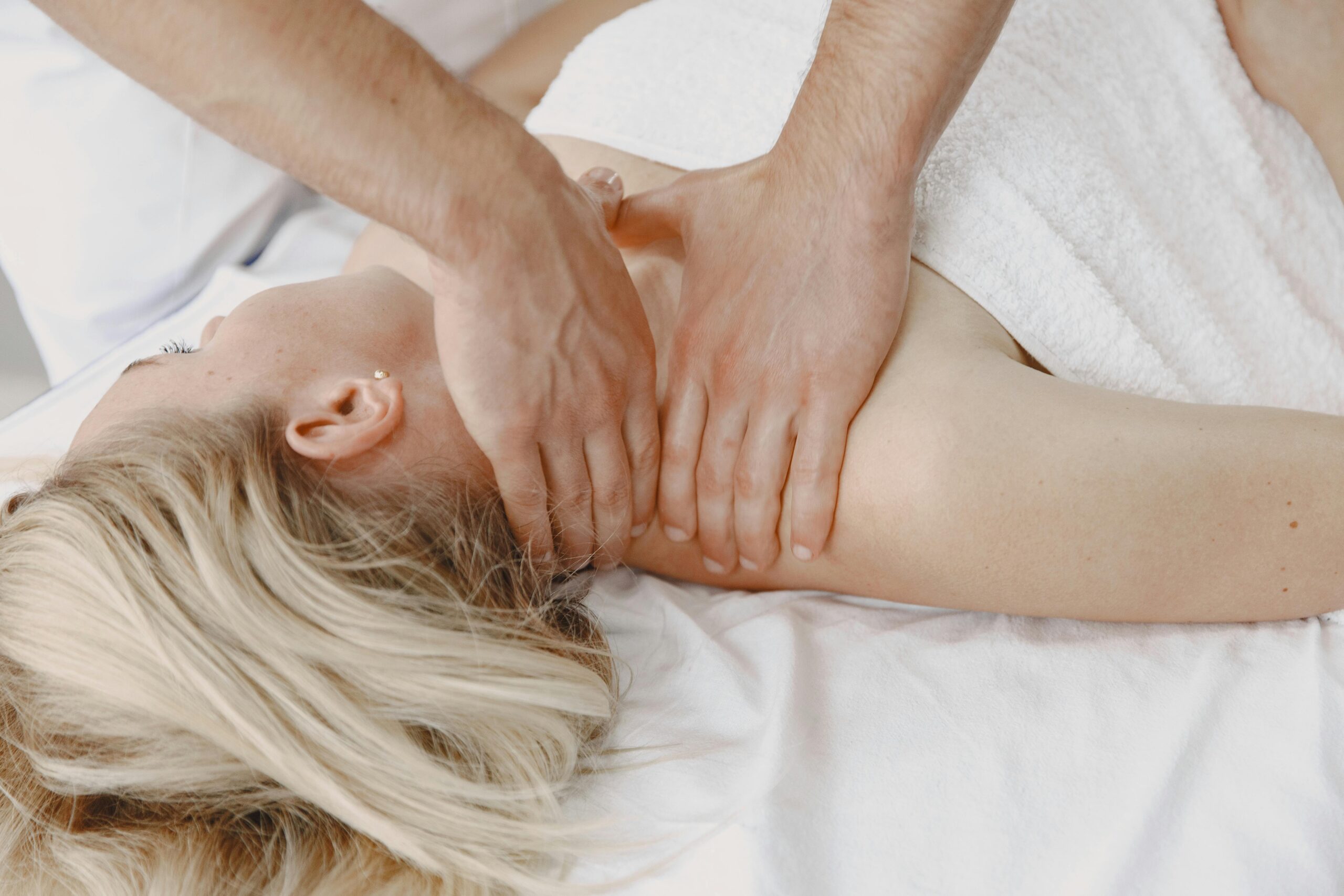
A session typically focuses on the neck and clavicle region first, since that’s where lymph from most of the body ultimately drains back into the bloodstream. From there, strokes move systematically through the trunk and extremities. It’s a deeply relaxing experience, and many clients say it’s unlike any massage they’ve had before. You may notice increased urination in the hours following a session as your body continues clearing waste, and most people feel noticeably lighter and less congested afterward.
If you’re curious whether MLD is a good fit for your health goals, reach out or mention it when you book. It’s one of the more powerful tools available for supporting your body’s natural ability to maintain balance, and most people wish they’d tried it sooner.